The Color of Feeling: How Women Color Graders Are Shaping the Emotional Truth of American Cinema
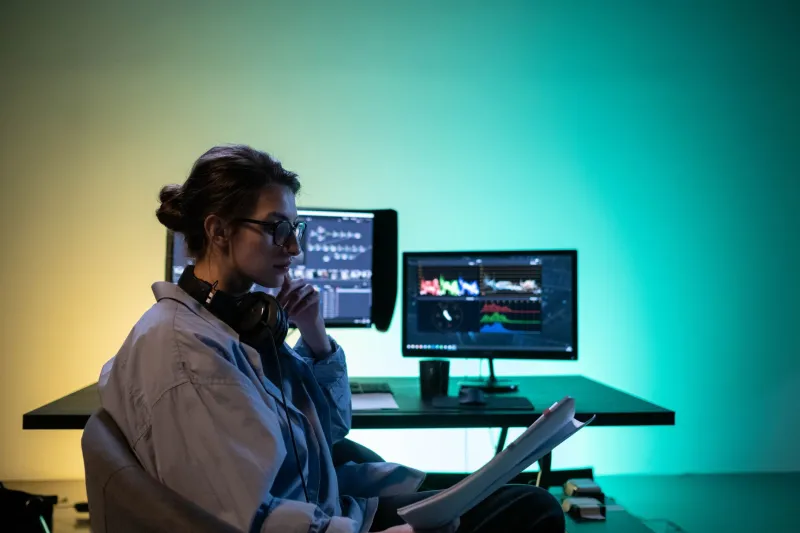
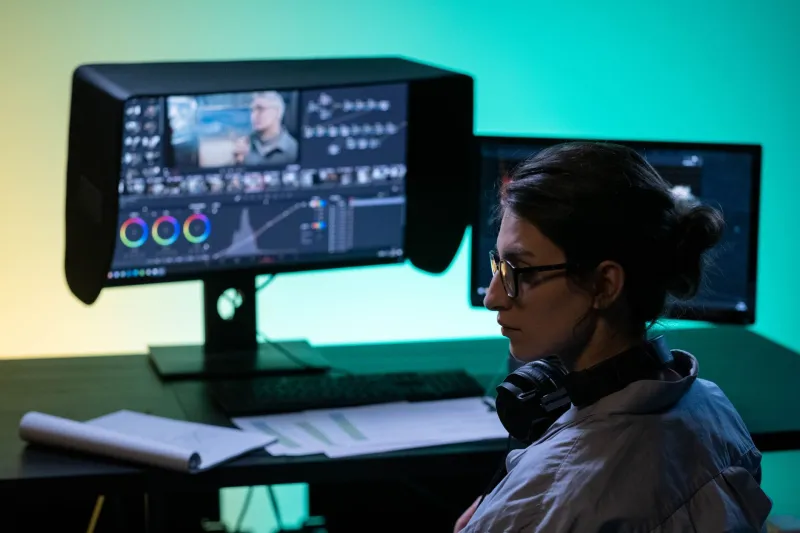
Before a frame of finished film reaches an audience, it passes through a room where one person makes thousands of decisions about light, shadow, saturation, and tone. That person — the colorist, or color grader — is working at the intersection of science and art, translating a cinematographer's intentions, a director's vision, and the raw data of a digital image into something that feels, in the most literal sense, true. The women building careers in this discipline are not simply technical operators. They are the final authors of how American cinema looks — and therefore, how it feels.
Color grading has undergone a quiet revolution over the past two decades. The transition from photochemical finishing to digital intermediate workflows has expanded both the precision and the scope of what colorists can do. Where once the color of a finished film was largely fixed by choices made on set and in the photochemical lab, contemporary colorists work with tools that allow them to reshape the visual world of a film with extraordinary granularity. Skin tones can be separated from backgrounds. Shadows can carry entirely different color temperatures than highlights. The emotional register of a scene can be shifted without altering a single element of the original photography.
This power is significant. And the women who wield it are doing so with a clarity of artistic purpose that is reshaping the way American films are experienced.
Color as a Language of Character
One of the most consequential ways in which colorists shape storytelling is through their treatment of human skin — and this is an area where the presence of women in the grading suite has made a measurable difference. The history of color science in photography and film is, in part, a history of calibration tools developed with white skin as the default reference point. The practical result has been decades of images in which the skin tones of people of color were systematically underserved: too dark, too desaturated, too flattened.
Women color graders who have spoken publicly about this issue describe it not as an abstract political concern but as a concrete technical failure — one that they are equipped and motivated to correct. Properly rendering a full range of human skin tones requires intentional calibration, an expanded reference vocabulary, and a willingness to push back against workflow defaults that encode historical bias. Colorists who approach this work with that intentionality produce images in which every character on screen is seen with equal clarity and dignity.
This matters enormously for films centered on women of color — a category that has expanded significantly in American cinema over the past decade. When a Black woman protagonist is lit and graded with the same care and sophistication as her white counterparts, the film is making a statement about her worth that operates below the level of narrative. Audiences feel it. The character is fully present in a way that she otherwise might not be.
The Grammar of Emotional Tone
Beyond skin tone, color graders shape the overall emotional architecture of a film through decisions that audiences absorb without necessarily analyzing. The cool, desaturated palette of a psychological thriller communicates dread before a single threatening event has occurred. The warm, slightly overexposed quality of a childhood memory sequence signals nostalgia and loss before any dialogue has been spoken. These are not accidental effects. They are the product of precise, deliberate choices made by a colorist in conversation with the director and cinematographer.
Women working in this space describe the process as deeply collaborative and deeply personal. The best color work, in their account, begins with an extended conversation about feeling — about what the film is trying to make the audience experience, and how color can serve that goal. This requires a colorist who is not merely technically proficient but emotionally literate: capable of translating subjective descriptions of mood and atmosphere into objective adjustments of hue, saturation, and luminance.
The films that women colorists describe as their most satisfying work are often those where this translation process was most complex — where the emotional landscape of the story demanded a color approach that could not simply be borrowed from existing genre conventions, but had to be invented specifically for that narrative. Female-centered stories, they note, have often required exactly this kind of invention, because the visual grammar developed for male-centered cinema does not always serve women's experiences with equal fidelity.
Entering the Suite
Like most below-the-line technical crafts, color grading has historically been dominated by men, and entry into the field has been shaped by the same network dynamics that affect other departments. Women who have built careers as colorists frequently describe early experiences of being steered toward assistant roles, of having their technical knowledge questioned, and of navigating client relationships in which their authority was not automatically assumed.
The digital transformation of the industry has created some new points of entry. The proliferation of color grading software platforms and the growth of independent and streaming production have opened pathways that did not exist in the era of large-format film finishing, when access to equipment was a significant barrier. Women who have come to color grading through backgrounds in photography, visual effects, or digital cinematography have found it possible to build credentials outside the traditional studio pipeline.
Mentorship networks specific to women in post-production have also begun to develop, creating communities where colorists can share technical knowledge, discuss the specific challenges of navigating the field as women, and refer one another for work. These communities are not yet large, but they are growing — and they are producing a cohort of women with the skills, the confidence, and the professional connections to occupy senior colorist positions on major productions.
The Hidden Authorship
There is something fitting about the fact that color grading is invisible to most audiences. The best color work, like the best editing, is felt rather than seen — it shapes experience without calling attention to its own presence. The women doing this work are accustomed to a form of authorship that leaves no obvious signature, that functions through accumulation and atmosphere rather than individual moments of visible technique.
What they are building, frame by frame and film by film, is a body of work that is changing the visual identity of American cinema. The emotional textures they create, the skin tones they honor, the palettes they invent for stories that have never been told quite this way before — all of it is part of a larger project of making American film more fully capable of seeing and feeling the truth of women's lives.
That project does not announce itself. It simply, gradually, makes the world on screen look different — and feel more real.